Step into 1936 Palestine for a heartwarming adventure! Follow young Elias as his peaceful village navigates big changes. When difficult times arrive, Elias discovers courage, friendship, and the power of community. This inspiring story shows how people come together to protect what they cherish, proving that hope and resilience can light the way forward, even in challenging moments.
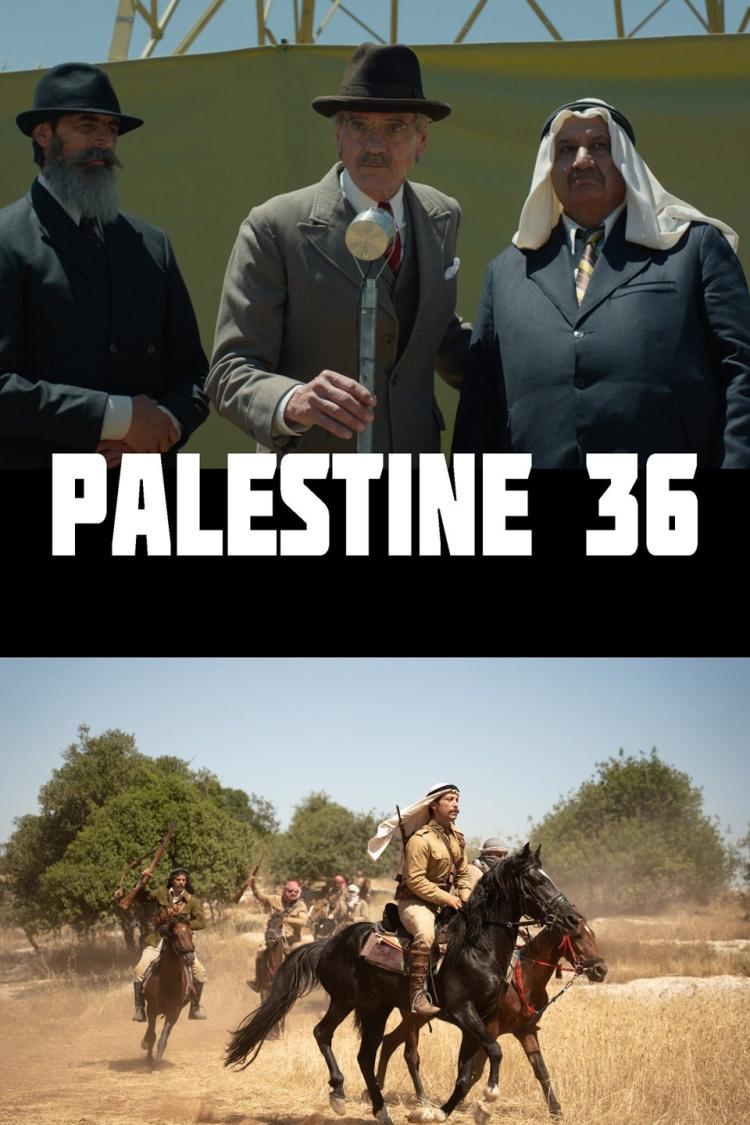
Palestine 36
Runtime: 1 Hours 58 Minutes
Audience Rating: 10.0/10
Critics Rating: 10.0/10
Genre: Biography, History, Drama and War
Release Date: 28 November 2025
Original Language: Arabic
Production House: Philistine Films, Autonomous, Corniche Media, MK Productions and Snowglobe
Distributor: Watermelon Pictures
Page Last Updated On: 13 December 2025
About:
Review:
Review: Palestine 36 (2025)
Hey everyone! I just had the chance to watch 'Palestine 36,' the new historical drama that’s been generating a bit of buzz, and I wanted to share my thoughts. It’s always exciting when a film takes on such a significant period in history, especially one that’s not always spotlighted in mainstream cinema. From the moment I saw the trailer, I was intrigued by the promise of a human story set against the turbulent backdrop of 1936 Palestine, and I’m happy to say that for the most part, it delivered a really powerful experience.
Story Overview
'Palestine 36' transports us straight into the heart of a small, vibrant Palestinian village during the crucial year of 1936, just as the Arab Revolt is simmering and about to erupt. The story primarily follows the lives of the Zaytoun family, particularly their youngest daughter, Layla, who is on the cusp of womanhood. Layla, bright-eyed and full of dreams, finds her simple village life increasingly disrupted by the growing tensions under the British Mandate. We witness the everyday struggles – land confiscations, increased taxes, and the palpable shift in the political landscape – through the eyes of ordinary people.
The plot cleverly weaves personal drama with historical events. Layla's older brother, Omar, becomes increasingly involved with the nascent resistance movement, creating deep anxieties for their parents, Fatima and Yusuf, who just want to protect their family and their ancestral olive groves. There's a particular subplot involving their neighbor's olive harvest being threatened, which beautifully symbolizes the larger fight for land and identity. It’s a story about resilience, community, and the difficult choices people are forced to make when their way of life is threatened.
Main Characters & Performances
One of the film’s strongest suits is its cast, who truly bring these characters to life with remarkable authenticity. Layla, played by the incredibly talented new actress Jenna Khalil, is a revelation. She carries the emotional weight of the film beautifully, portraying Layla’s transition from an innocent dreamer to a fiercely determined young woman with grace and conviction. Her performance felt incredibly real and relatable; you really root for her.
Mohamed Ali as Omar delivers a compelling performance as the passionate, albeit sometimes impulsive, elder brother. He captures the fire and frustration of a generation pushing back against oppression without ever making him feel like a one-dimensional hero. Then there are Fatima and Yusuf, the parents, portrayed by veteran actors Samar Hassan and Tariq Mahmoud. Their performances are the grounding force of the film. Their quiet strength, the worry etched on their faces, and their deep love for their children are utterly heartbreaking and inspiring to watch. You can feel their history and their burden. Even smaller roles, like the wise village elder Salim, played by the venerable Omar Sharif Jr. (no relation to the legendary actor, but a compelling presence nonetheless!), added wonderful depth to the community.
What Works Well
Honestly, so much of this film clicked for me. Firstly, the atmosphere is just captivating. The production design, costumes, and cinematography are top-notch, really transporting you to 1936 Palestine. The dusty landscapes, the bustling markets, the simplicity of village homes – it all felt incredibly authentic and beautifully shot. The use of natural light and the vibrant color palette made every frame a painting.
Secondly, the emotional depth is truly powerful. The film manages to tell a very specific historical story through a deeply human lens. It doesn’t shy away from the brutality of the time, but it balances it with moments of profound tenderness, community spirit, and defiance. I found myself really connecting with the characters’ hopes and fears. The pacing, too, felt just right; it allowed the story to breathe and the emotions to sink in without ever feeling slow. And the musical score? Absolutely stunning, enhancing every poignant moment without ever being overbearing.
What Could Be Improved
While 'Palestine 36' is a fantastic film, there were a couple of areas where I felt it could have been even stronger. Firstly, some of the secondary characters, particularly those representing the British Mandate, felt a little underdeveloped. While the focus was clearly on the Palestinian perspective (which is important!), a bit more nuance in understanding the motivations or complexities of the "other side" might have added another layer to the conflict, moving them beyond simply being antagonists.
Secondly, there were a few moments in the middle section where the narrative momentum dipped ever so slightly. While I appreciated the slower pace for character development, there were a couple of scenes that felt a little repetitive in conveying the ongoing struggle, which could have been tightened up slightly to maintain a more consistent drive towards the climax. It wasn't a major issue, but something I noticed.
Overall Entertainment Value
Despite those minor points, 'Palestine 36' is incredibly entertaining and deeply enriching. It’s not an action-packed blockbuster, but it’s a gripping human drama that kept me completely invested from start to finish. It’s the kind of film that stays with you long after the credits roll, making you think, feel, and perhaps even research more about the history it portrays. It strikes a beautiful balance between educating its audience about a crucial historical period and telling an incredibly moving personal story. I’d say it's definitely a must-watch for anyone who appreciates thoughtful historical dramas, powerful acting, and stories that illuminate the human spirit in the face of adversity. Young people, especially, might find this a really engaging way to connect with history.
Final Verdict
'Palestine 36' is a poignant, beautifully crafted, and essential piece of cinema. It’s a powerful testament to resilience, community, and the enduring human spirit amidst profound historical upheaval. With its stunning visuals, strong performances, and deeply emotional storytelling, it offers a vital window into a crucial moment in history. While a touch more depth for its secondary characters and a slightly more consistent pace would have elevated it further, these are minor quibbles in an otherwise truly impactful and memorable film. I highly recommend you see it. It's more than just a movie; it's an experience that truly resonates.

Annemarie Jacir
(Screenwriter)
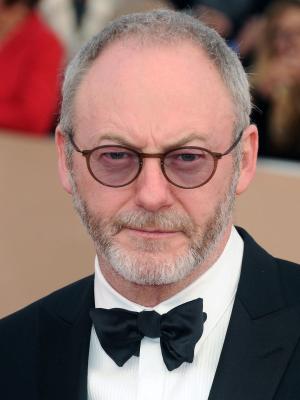
Liam Cunningham
(Actor)
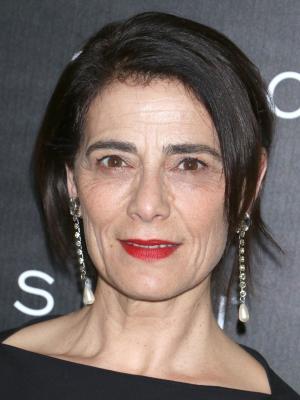
Hiam Abbass
(Actor)

Kamel El Basha
(Actor)
No Image
Jalal Altawil
(Actor)
No Image
Yafa Bakri
(Actor)
No Image
Karim Daoud
(Actor)
No Image
Wardi Eilabouni
(Actor)
No Image
Ward Helou
(Actor)

Hélène Louvart
(Cinematographer)
No Image
Sarah Blum
(Cinematographer)
No Image
Tim Fleming
(Cinematographer)
No Image
Tania Reddin
(Film Editor)
No Image
Ben Frost
(Original Music)

Jeremy Irons
(Actor)